2026-11-05 ·
What to Do When Your Chicago Basement Floods
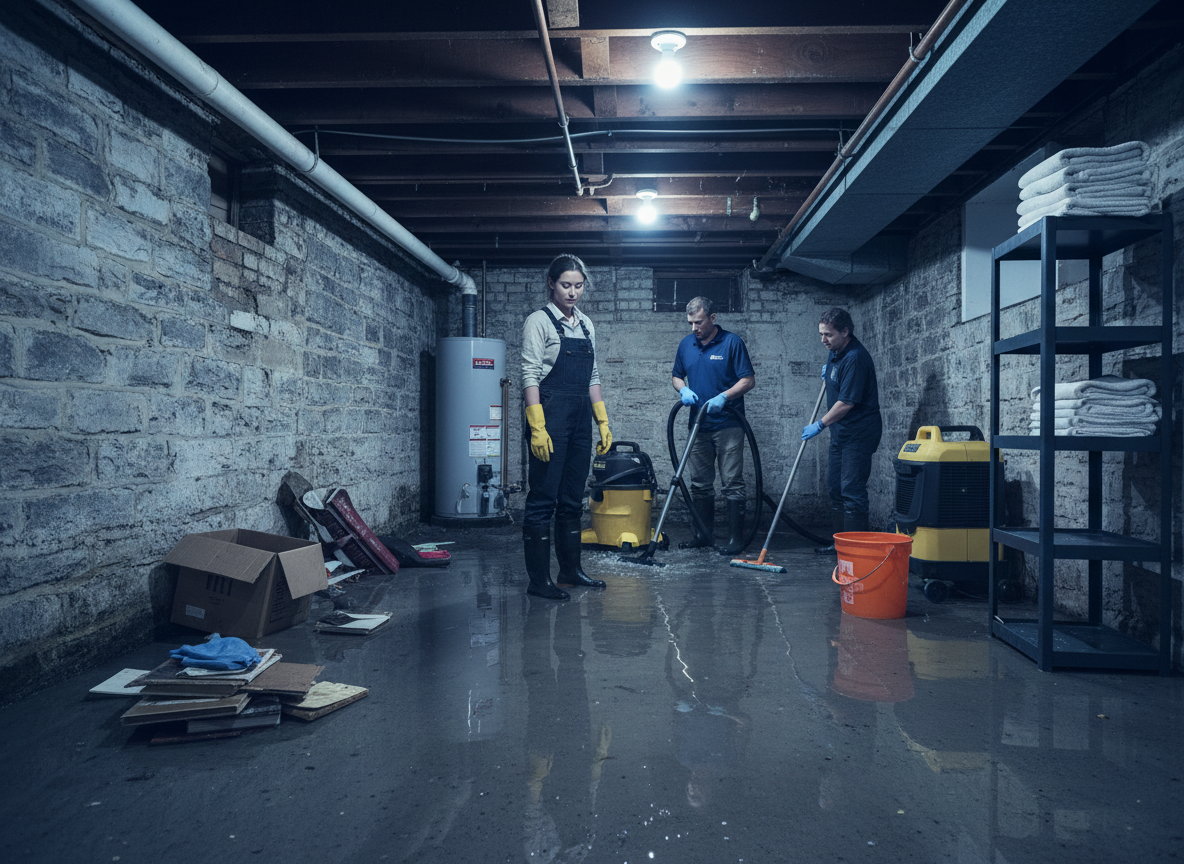
When your Chicago basement floods, shut off electricity at the panel and stop the water source if you can reach it safely, then contact professionals for emergency water extraction within the first hour to limit damage in older brick homes across Cook County.
Assess Safety and Stop Further Water Entry
Chicago's humid continental climate brings sudden downpours in summer and freeze-thaw cycles in winter that push water through aging foundations in neighborhoods like Wicker Park and Logan Square. Start by turning off power to the basement at the main panel to avoid electrical hazards from standing water. Check for sewage backup, especially in South Loop properties near the Chicago Riverwalk where combined sewers can back up during heavy rain. If the source is a burst pipe from winter freezing, locate the main shutoff valve near the water meter, often in the front of these pre-1950 homes. Document the water level with photos before any removal begins. Avoid entering deeper than ankle height without proper boots and gloves, as hidden debris or contaminants from nearby alleys can pose risks. Once the immediate inflow stops, open windows on upper levels to start air circulation while keeping basement doors closed to limit spread to the first floor.
Remove Standing Water Quickly
Standing water in Chicago basements must be extracted fast because clay-heavy soil around homes in Hyde Park and Rogers Park holds moisture against foundations for days. Use a wet vac or submersible pump rated for at least 1,500 gallons per hour on pools deeper than two inches. Focus on the lowest points first, such as sump pits or floor drains common in Bridgeport bungalows. Pump water to a safe outdoor drain or street if permitted by local rules, avoiding the Chicago Riverwalk area during high water. After bulk removal, sop up remaining moisture with towels and fans aimed at walls. This phase typically takes two to four hours for a standard 800-square-foot basement but stretches longer in Uptown buildings with multiple rooms or finished lower levels. Delaying extraction lets water wick into joists and drywall, raising repair costs in older Cook County stock.
Dry the Space and Address Hidden Moisture
After extraction, drying requires dehumidifiers running at 50-60 pints per day capacity and air movers placed every 10-12 feet along walls to combat Chicago's high summer humidity. Check behind appliances and under stairs where water pools in West Loop and Andersonville row houses. Use a moisture meter on concrete floors and brick walls; readings above 15 percent indicate trapped water that can lead to mold within 48 hours. Place units to pull air across the longest distances rather than straight at surfaces. In winter, combine drying with gentle heat to prevent pipes from refreezing. Monitor for 3-5 days until readings drop below 10 percent. Homes near Navy Pier or Grant Park often need extra attention due to lake-effect moisture that slows evaporation.
Prevent Mold and Plan Long-Term Repairs
Mold growth starts quickly in Chicago basements after flooding, especially in Logan Square and Pilsen properties with limited ventilation. Remove and discard porous materials like carpet padding or insulation that stayed wet longer than 24 hours. Scrub non-porous surfaces with a detergent solution, then rinse and dry completely. For hidden growth behind walls, cut away affected drywall at least 12 inches above the water line. Link this process to seasonal risks by reviewing prevention steps in our guide on frozen and burst pipes in Chicago winters. Consider upgrading exterior grading or adding a French drain if water enters during every heavy rain, common in Evanston and Oak Park homes with flat lots. Schedule follow-up checks two weeks later to confirm no recurring dampness in floor cracks.
When Professional Help Becomes Essential
Homeowners in Lincoln Park and Lakeview often handle initial extraction but need specialists once water reaches electrical boxes or HVAC systems. Professionals bring commercial-grade equipment that removes moisture from beneath slabs faster than consumer tools. They also handle disposal of contaminated water in line with Cook County regulations. If the flood involved sewage from nearby combined sewers, full flooded basement cleanup protocols apply. For ongoing issues, pair extraction with emergency water extraction services that include thermal imaging to locate pockets behind plaster. This approach protects the structure without turning the job into repeated visits during Chicago's variable weather cycles.